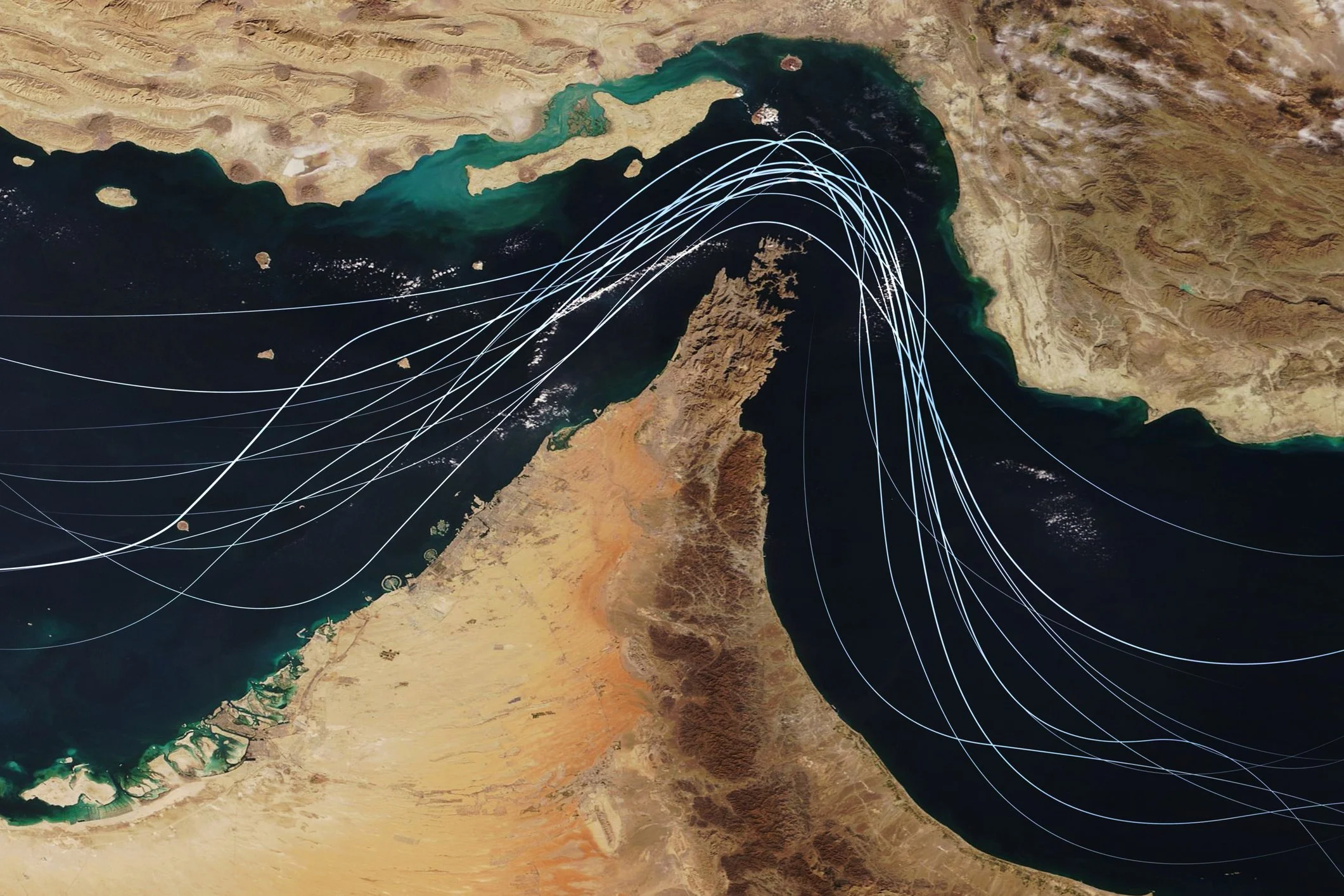
As global energy markets face their most significant disruption in decades, the closure of the Strait of Hormuz has exposed a hard truth: today’s energy infrastructure is fundamentally fragile. When a single chokepoint can disrupt nearly 20% of global oil supply, the consequences ripple across every sector—from fuel and agriculture to manufacturing and global markets.
In his latest piece, Matthew McKean explores why this moment demands more than resilience—it requires antifragility. While traditional systems struggle under volatility, Frontieras has engineered a fundamentally different model: one built on domestic feedstock, structurally lower input costs, and diversified outputs that increase in value during periods of disruption.
With the commercialization of FASForm™ and the development of its first full-scale facility in West Virginia, Frontieras is advancing a new architecture for energy—one designed not just to withstand global shocks, but to benefit from them.
This is not a theoretical framework. It is a deployable platform for American energy security at scale.